Knockdown and Rebuild Process Guide
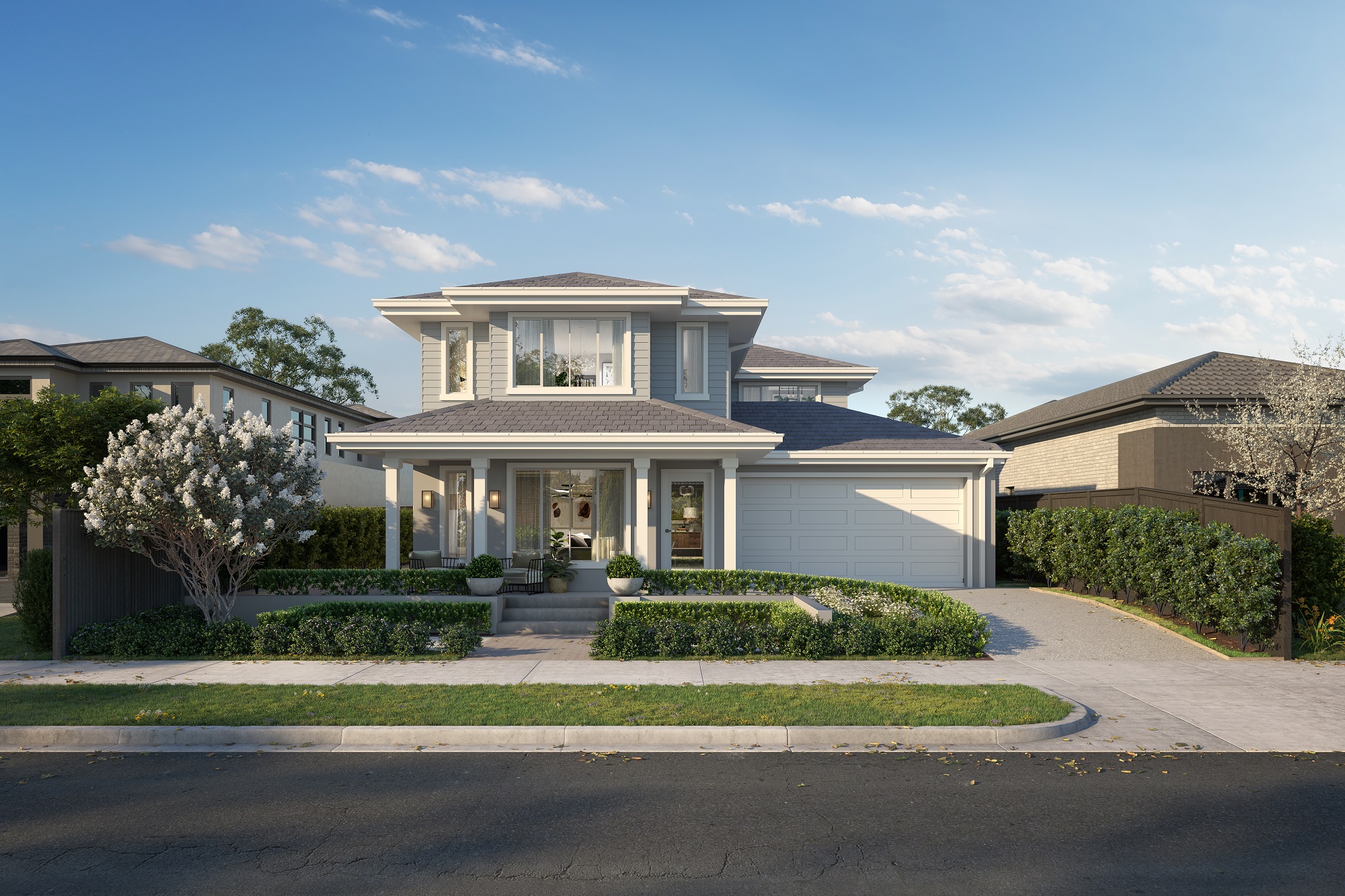
A knockdown rebuild is exactly what it sounds like: demolishing your current home and building a brand new home on the same block of land. This approach allows you to stay in the neighbourhood you love while creating a home that perfectly suits your lifestyle, whether that means more bedrooms, better flow, or a modern, energy efficient home designed for how you actually live.
This practical knockdown rebuild process guide covers everything Victorian homeowners need to know—from the first site assessment through to moving into your dream home. We’ll walk through the step-by-step stages, typical timelines, council approvals, a detailed checklist, and how to decide whether renovating or rebuilding makes more sense for your situation. At Boutique Homes, our Knockdown & Rebuild Specialists provide end-to-end, consultant-led guidance through the entire process, so you’re never left coordinating complex approvals or demolition alone.
In this guide you’ll learn:
- The key knockdown & rebuild steps from feasibility through to final handover
- How approvals and permits work in Victoria
- A realistic timeline framework and the factors that can affect it
- A practical checklist to prepare before, during and after your rebuild project
- The key considerations when deciding between renovating your existing home or rebuilding
- What Boutique Homes manages versus what you’ll need to provide
Download our Knockdown Rebuild process guide

Site assessment & feasibility

Design selection

Preliminary documentation

Approvals pathway

Pre-demolition coordination

Demolition & site preparation

Construction milestones

Handover

Aftercare & warranty
Knockdown & Rebuild Process (Step-by-Step)
This section expands on each phase of the knockdown rebuild process, outlining what Boutique Homes manages, the decisions you’ll need to make along the way, and answers to frequently asked questions.
Below is an overview of the process for blocks in Melbourne and Regional Victoria, though specific requirements may vary depending on your local council, overlays, and site conditions.
Site assessment & feasibility
During a complimentary site assessment, a Boutique Homes Knockdown & Rebuild Specialist visits your property to review key factors: block orientation, slope, access, services, and any visible constraints. They’ll also discuss your goals—whether that’s extra bedrooms, better energy efficiency, multigenerational living, or simply a fresh start in a home that works for modern living.
The assessment includes checking planning conditions, zoning and overlays to flag any obvious issues early. You’ll need to provide your address details, a rough budget comfort range, your desired timeline, and any known council notes or previous reports so you can start thinking about the key costs involved in a knockdown rebuild.
FAQ: What happens in a complimentary site assessment, and what do I need to prepare beforehand?
The site visit involves reviewing your block and discussing your project goals. To make the most of it, bring your recent rates notice, any existing plans or surveys you have, and a list of questions about approvals, design fit or timeline.
Design selection & preliminary documentation
Once feasibility is confirmed, you’ll work with Boutique Homes to select an architecturally inspired home design that suits your block size, orientation and lifestyle. For example, a 16-metre-wide block in Glen Waverley might suit a double-storey family home with open-plan living and a home office, while a narrower lot might call for a different layout.
You’ll explore flexible floorplans, façade styles (such as modern coastal, contemporary or Hamptons), and early structural options. This phase is where your personal style starts to take shape. Preliminary documentation follows: initial drawings, basic engineering, quality inclusions and additional selections, that help deliver upfront pricing clarity. This documentation becomes the foundation for planning approvals and pricing certainty.
FAQ: Do I need to choose a home design before the site assessment?
Initial preferences help the conversation, but final design selection usually happens after feasibility is confirmed. The site assessment is about understanding what’s possible on your block before committing to a specific design.
Approvals pathway
The approvals stage in Victoria may involve planning permits (if triggered by overlays, zoning or local planning schemes) and building permits for the actual construction. Not every knockdown rebuild project requires a planning permit—it depends on your site’s specific conditions.
At a high level, planning permits relate to how the home fits within the neighbourhood (height, setback, character), while building permits deal with technical construction compliance and safety. Boutique Homes works with planning professionals to map out the likely approvals pathway for your block and coordinates documentation lodgement with your local council.
FAQ: Do I need a planning permit, a building permit, or both for a knockdown & rebuild in Victoria?
All Knockdown Rebuild projects require a building permit for construction. Whether you also need a planning permit depends on overlays, zoning and your council’s local requirements. The site assessment will clarify which approvals apply to your block.
Pre-demolition coordination
Before any house is demolished, utility disconnections (gas, electricity, NBN, water) and service abolishment must be organised for safety. This is a critical step that involves coordinating with utility companies and ensuring all services are properly capped before demolition begins.
Boutique Homes coordinates directly with the demolition contractor and assists with demolition permits, asset protection permits (where required by council) and basic site access planning—including temporary fencing and clear pathways for machinery. What you’ll need to organise: moving out of your existing home, arranging temporary accommodation, and ensuring all personal belongings are removed before demolition day.
FAQ: Who organises demolition permits and utility disconnections?
Boutique Homes and the demolition contractor handle permits and provide guidance on the process. You’ll need to authorise disconnections with service providers when required and confirm moving dates with the project team.
Demolition & site preparation
At the time of demolition, licensed contractors carefully remove the existing structure, manage waste disposal, and protect neighbouring properties and council assets. We ensure that this remains a very considered process, designed to minimise impact on the surrounding area.
“Site ready” means the old house is completely removed, services are appropriately capped, site levels are confirmed, and temporary fencing or safety measures are in place ready for construction. Boutique Homes confirms post-demolition details (such as updated site surveys if required) to finalise foundations and site works before construction starts. You won’t be left managing demolition alone.
FAQ: What needs to be in place to make the site ‘ready’ for demolition and construction?
The site needs all demolition approvals in place, services disconnected and capped, the existing property cleared of belongings, and compliance with any council conditions. Once demolition is complete, the site is surveyed and prepared for foundation works.
Construction & key milestones
Construction progresses through key stages: slab or footing stage, frame erection, lock-up (when external doors and windows are installed and the home is weathertight), fixing stage (internal walls, cabinetry, plumbing and electrical fit-off), and final inspections, all overseen by knockdown rebuild construction experts.
Boutique Homes provides regular updates during construction so you know when key milestones are reached and when progress payments typically occur. While exact durations vary based on home size, complexity and weather, a typical construction period for a knockdown rebuild in Victoria is similar to a standard new build of the same specifications. Your site supervisor will be your main point of contact throughout.
FAQ: What are the typical progress payment stages during a knockdown & rebuild?
Progress payments are staged to align with major construction milestones—typically at base/slab stage, frame completion, lock-up, fixing stage completion, and final handover. This ensures payments match actual work completed.
Handover & aftercare
At handover, you’ll complete a final walk-through with the site manager, who will demonstrate key systems, present documentation and certificates, and hand over your keys. This is the moment your knockdown rebuild project becomes your new house.
Aftercare includes a defect liability period where any construction defects are addressed, plus structural warranty coverage for ongoing peace of mind. Boutique Homes’ quality assurance and warranty support means you have a point of contact long after you move in. For more details, visit our quality assurance and warranty page.
FAQ: What aftercare or warranty support is available once I move in?
You’ll have defect liability coverage and structural warranty support after handover. Our team remains available to address any issues that arise during the warranty period, giving you confidence in your brand new home.
If you’d like tailored advice on how these steps apply to your situation, speak to a Knockdown & Rebuild Specialist.
Knockdown & Rebuild Timeline – What to expect
One of the most common questions homeowners ask is: how long does a knockdown rebuild take? The honest answer is that it depends—but understanding the typical phases helps set realistic expectations.
The overall knockdown rebuild timeline in Victoria typically ranges from around 12 to 24 months from initial enquiry to handover. This splits into two distinct phases: pre-construction (assessment, design, approvals and documentation) and demolition plus construction (demo through to handover). Pre-construction timelines are often the most variable because council approval pathways differ significantly.
| Stage | Typical Timing | What Can Affect Timing |
|---|---|---|
| Client qualification & initial feasibility | 1–2 weeks | Project readiness, budget alignment, timing expectations, availability of property information |
| Design selection & initial documentation | 4–8 weeks | Design revisions, decision timing, block complexity |
| Pre-construction & contract preparation | ~14 weeks | Documentation requirements, engineering, reporting, client decision timing |
| Approvals & permits | 8–20+ weeks | Council pathway, overlays, required reports, objections |
| Demolition & site preparation | ~3 months | Asbestos discovery, weather, site access constraints |
| Construction to handover | 7–9 months | Home size, complexity, weather, supply availability |
Top 6 timeline drivers:
- Council pathway and whether planning permits are required
- Overlays and zoning conditions on your block
- Engineering reports and additional studies (soil test, environmental assessments)
- Site access
- Changes to scope or design during the process
- External factors like weather or supply chain constraints
Get clearer timeframes for your block — book a complimentary site assessment here.
Approval and permits for knockdown and rebuild in Victoria
Approvals and permits are one of the most important parts of the knockdown rebuild process, and requirements differ between Victorian councils. Understanding the basics helps you know what to expect, even though your Boutique Homes team will guide you through the specifics.
In Victoria, there are several types of permits that may apply. Planning permits relate to how the proposed home fits within the neighbourhood—considering factors like height, setbacks, and neighbourhood character. Building permits focus on technical construction compliance, structural integrity and safety requirements. Demolition permits authorise the removal of your existing home and must be obtained before demolition begins. Some councils also require an asset protection permit to protect public infrastructure during construction. Boutique Homes manages this process for you and will guide you every step of the way.
Zoning, overlays (such as heritage, bushfire or flood overlays) and easements can all influence which permits are needed and what conditions councils impose. Properties with heritage overlays, for example, are typically not eligible for knockdown rebuild.
Common approvals you may encounter:
- Planning permit
- Building permit (required for construction)
- Demolition permit (required before demolition)
- Asset protection permit (some councils require this)
- Build over easement consent (if building near easements)
- Tree removal permits (if tree preservation orders apply)
We’ll guide you through approvals as part of your Knockdown & Rebuild journey. Boutique Homes prepares documentation, coordinates with experienced professionals, and liaises with councils on your behalf. While we can’t control council timeframes, our local council knowledge helps avoid common delays caused by incomplete submissions.
For example, a family in Melbourne’s eastern suburbs with a vegetation overlay worked with our team to navigate the additional requirements. The approvals pathway was more complex than a standard block, but careful planning and early engagement with council meant construction could proceed without unexpected costs or major delays.
Knockdown and Rebuild Checklist
This practical knockdown rebuild checklist helps you feel prepared before and during the process. It’s organised into phases, with action-focused items that cover the big decisions and practical tasks.
Before you start (goals, budget and constraints)
✓ Define your “why” for a knockdown rebuild (more space, modern layout, energy efficiency)
✓ List your must-have spaces (e.g. 4 bedrooms, home offices, open-plan living)
✓ Identify your “nice-to-haves” versus non-negotiables
✓ Check your rough budget comfort range, including a contingency buffer
✓ Consider your desired move-in timeframe
✓ Gather basic property information: title details, awareness of easements
✓ Note any known constraints (trees, slope, access limitations)
✓ Check for any previous council correspondence or existing surveys
Pro tip: Before meeting with a specialist, have your household agree on your top 3 non-negotiables. This keeps early conversations focused and productive.
Approvals, finance & documentation
✓ Boutique Homes will confirm whether planning permits are required for your block
✓ Start your finance preparation early — gather key documents and speak with construction finance specialists, including Boutique Homes’ finance partner, Resolve Finance, to explore your options
✓ Understand that finance must be arranged before construction commencement
Pro tip: Allow time for approvals in your overall timeline, especially if your council has complex planning overlays. This helps avoid delays later and ensures a smoother path through the planning process.
Demolition & temporary living arrangements
✓ Plan where you will live during demolition and construction (renting, staying with family)
✓ Confirm moving dates with your project team
✓ Organise storage for furniture and belongings
✓ Schedule utility disconnections with service providers
✓ Check insurance arrangements are appropriate during demolition
✓ Confirm demolition dates and site access arrangements
✓ Plan for moving costs and temporary accommodation expenses
Pro tip: Allow a small buffer between expected demolition and construction start dates in case of weather delays or last-minute approval requirements.
Construction & handover preparation
✓ Sign off final selections and plans before construction begins
✓ Understand key construction milestones and payment stages
✓ Plan site visits around your site supervisor’s appointments
✓ Prepare for handover: organise utilities to be connected to your new home
✓ Book removalists for move-in day
✓ Consider landscaping timing relative to handover
✓ Plan window furnishings and any immediate fit-out items
Pro tip: Keep a dedicated folder (physical or digital) with all key documents, contracts and correspondence. This makes referencing information during construction much easier.
Want the full checklist? Download the Process Guide for a detailed, printable version.
Renovate vs rebuild – How to decide?
Many Victorian homeowners weigh up renovating versus a knockdown rebuild, especially in established suburbs where land values are high but housing stock is ageing. Both options have their place—the right choice depends on your home’s condition, your goals, and how much certainty you want over costs and timeline.
When renovating often makes sense:
• Your current home has good structural integrity and a workable layout
• You only need cosmetic updates or minor extensions
• The existing floor plan suits your lifestyle with modest modifications
• Budget is limited and extensive renovations aren’t required
When a knockdown rebuild often makes more sense:
• Major layout changes are needed that the existing structure can’t accommodate
• Significant structural issues exist (cracking, subsidence, extensive damp, failed foundations)
• You want a modern, energy efficient home built to current standards
• Renovation costs approach or exceed knockdown rebuild costs with less certainty
| Criteria | Renovate | Rebuild |
|---|---|---|
| Layout flexibility | Limited by existing structure | Complete control over layout |
| Structural condition | Must work with what exists | Start fresh with new materials |
| Energy efficiency | Retrofitting is often expensive | Built to modern standards |
| Cost certainty | Hidden costs common during renovation | Upfront pricing with fixed contracts |
| Disruption | May live on-site during works | Temporary accommodation required |
| Timeframe | Variable depending on scope | More predictable with streamlined process |
| Long-term lifestyle fit | Compromises often necessary | Designed specifically for your needs |
Decision framework:
- Assess your current home’s structural condition honestly
- Clarify your long-term needs (5–10+ years ahead)
- Compare the scope of renovation required versus a fresh start
- Consider cost certainty—renovation unknowns versus transparent pricing
- Discuss both options with a specialist using real site information
Scenario 1: You have an older weatherboard home with significant structural work needed and a layout that doesn’t suit modern living. Renovation costs are high with uncertain outcomes. A knockdown rebuild gives you a new house designed exactly to your requirements.
Scenario 2: Your family is growing and you need extra bedrooms, but you don’t want to leave your Melbourne suburb where schools, friends and community are established. A knockdown rebuild lets you stay on the same block while getting the space you need.
Scenario 3: You want a modern, efficient new home with clearer scope and transparent pricing. Your old house would require extensive renovations to achieve anything close to contemporary standards. Rebuilding offers a fresh start with award winning designs built for how you live today.
A complimentary site assessment and design consultation with Boutique Homes can help you compare renovate vs rebuild options using real information about your block—not assumptions.
What Boutique Homes Manages vs What You Need to Provide
Boutique Homes offers a specialist-led, end-to-end knockdown rebuild service designed to reduce your coordination burden. This section clarifies roles so you know exactly what to expect.
Boutique Homes manages:
- Complimentary site assessment and feasibility review
- Design recommendations aligned to your block and lifestyle
- Preliminary documentation and upfront pricing
- Coordination of council approvals and permits
- Working with demolition contractors and managing demolition coordination
- Construction management through all stages
- Quality checks and inspections throughout the build process
- Handover, documentation and aftercare support
- Coordination with Resolve Finance for construction loan enquiries
You provide/decide:
- Your project goals, must-haves and lifestyle priorities
- Budget comfort range and financial documentation
- Timely decisions on design selections and finishes
- Arrangements for temporary accommodation during construction
- Moving out of your existing home before demolition
- Attending key appointments and site visits as needed
Common misconceptions:
No. Boutique Homes coordinates with the demolition contractor and assists with demolition approvals. You don’t need to find your own demolition contractor or manage the process independently.
Boutique Homes prepares documentation and coordinates with councils on your behalf. While we can’t control council timeframes, we manage the process so you’re not navigating local council requirements alone.
Finance must be arranged before construction commencement. Our finance partner,
Resolve Finance, offers specialised construction loans for knockdown rebuild projects and works closely with your project team to align approvals with construction timing.
If you’re unsure about what’s involved in a knockdown rebuild or whether it’s right for your situation, speak to a
Knockdown & Rebuild Specialist. Our team is here to guide you through the entire process—from your first site visit to the day you receive your keys.