Dual Occupancy Home Designs
in Melbourne and Victoria
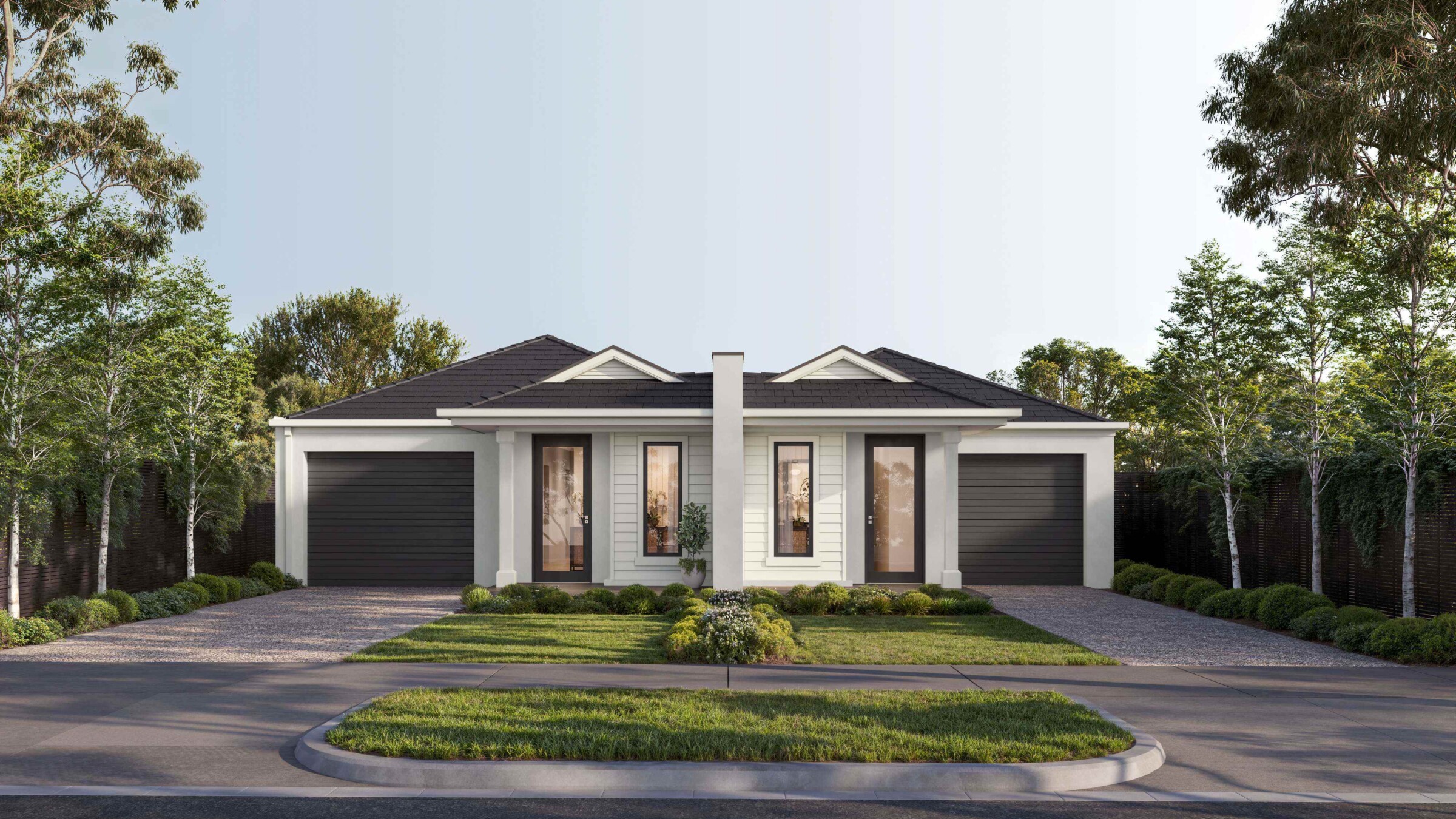
Boutique Homes offers a curated range of dual occupancy, duplex and dual living home designs created specifically for Melbourne and regional Victoria. Every design in the current range is an architecturally inspired double storey home, including side-by-side duplexes and a front-to-back detached dual occupancy option. Each floorplan has been developed with local council requirements in mind, calibrated for typical suburban block sizes of around 600–700 square metres and the narrow frontages common across Melbourne’s established suburbs.
Designed for more ways to live
These dual occupancy home designs cater to a wide range of buyers, including:
- Investors seeking two rental incomes from a single land title
- Owner-occupiers wanting to live in one dwelling while renting or selling the other
- Families or friends building together on shared land
- Downsizers looking to maximise the value of their existing property
- Retirees aiming to unlock equity and generate an additional income stream
Choosing the right dual occupancy design depends on your block. Frontage, depth, orientation and local council requirements all play a role in determining what’s suitable for your site.
Explore a range of dual occupancy home designs and floorplans, discover the block types they’re designed for, and request a complimentary site assessment to help confirm feasibility for your property.
Dual occupancy and duplex designs guideline
“Dual occupancy” is a broad planning term that covers several distinct design types. A duplex is a specific type of dual occupancy where two homes are attached and mirror each other, sharing a common wall, while dual occupancy can also include detached dwellings or homes in different layouts. Choosing the right configuration depends on your block dimensions, orientation, slope and local planning rules.
The four design types below represent Boutique Homes’ current dual occupancy range. Each suits different blocks and buyer priorities—understanding these differences is the first step toward finding the right design for your site.
Side-by-side duplex designs
A side-by-side duplex consists of two dwellings positioned alongside one another on a single block, typically connected by a central party wall. Where lot width allows, each home benefits from its own street frontage and driveway, creating a balanced and considered streetscape.
With independent entrances, each residence maintains a clear sense of privacy and ownership, making it an ideal solution for multi-generational living or investment.
Side-by-side duplex designs are ideal for wider blocks, allowing each home to have its own street presence. This is one of the most popular dual occupancy configurations across Melbourne’s suburban areas, particularly on blocks with 12–16 metre frontages in established suburbs such as Glen Waverley, Bentleigh and Reservoir.
Depending on local council requirements, subdividing the land into two separate titles may also provide the opportunity to sell one dwelling in the future, making this layout appealing to both investors and owner-occupiers.
Boutique Homes’ Collins, Franklin, Swanston and Spencer designs are all double storey side-by-side duplexes, thoughtfully designed for a range of municipalities across Melbourne and Geelong.
Double storey dual occupancy designs
“Double storey dual occupancy” refers to any dual occupancy where both dwellings are two levels, whether configured as a side-by-side duplex or a front-to-back detached layout.
This approach maximises internal floor area without requiring a larger lot—essential for making the most of Melbourne’s typical suburban blocks.
Double storey duplex designs in Melbourne and Victoria offer significant benefits, including additional bedrooms and bathrooms, full-sized family living areas, generous storage and outdoor spaces, even on more compact sites. They can also deliver stronger rental and resale appeal for investors.
Choosing the right design still depends on your block width, depth, slope and orientation. These factors are assessed during a complimentary site consultation to help determine which double storey duplex layout is best suited to your land.
Front-to-back detached dual occupancy designs
A front-to-back dual occupancy places two separate homes on a single block, with one residence positioned toward the street and the second set privately to the rear. Each home includes its own entry, outdoor space and parking, creating a stronger sense of independence between the two dwellings.
Detached dual occupancy homes are designed as completely separate buildings, typically better suited to larger suburban blocks or sites with greater depth.
This configuration is often well suited to deeper sites across areas such as Geelong West and Melbourne’s inner north, where narrower frontages can still accommodate two thoughtfully separated homes with generous private open space.
Boutique Homes currently offers the Lonsdale as a front-to-back townhouse-style dual occupancy design, featuring two double storey homes with open-plan living downstairs and bedrooms positioned upstairs.
Privacy and detached living are key advantages of this layout, making it a popular choice for multi-generational families and downsizers seeking a quieter rear residence.
Council access requirements and private open space regulations can significantly influence whether a front-to-back layout is suitable for a site, reinforcing the importance of early feasibility assessments.
Single storey dual occupancy designs
Single storey dual occupancy designs feature two homes positioned entirely across one level, whether attached as a duplex or planned separately across the block. Offering ease of movement and a strong connection to outdoor living, single storey layouts can suit a range of lifestyles, block conditions and planning requirements across Melbourne and Victoria.
These designs are typically better suited to wider blocks, where generous frontage, natural light and private open space can be achieved without building upward.
Single storey dual occupancy homes are often considered for downsizers, multi-generational living, ageing-in-place considerations or sites located within council areas with stricter height controls.
Compared to double storey layouts, single level designs typically require a larger building footprint to achieve similar internal living space. This can influence outdoor areas and overall site planning, particularly on narrower suburban lots. However, on suitable sites, single storey homes can provide practical day-to-day liveability, simplified movement throughout the home and strong long-term functionality.
The suitability of a single storey dual occupancy design ultimately depends on factors such as block dimensions, setbacks, orientation and local council requirements. An early site assessment can help determine which layout approach is best suited to your land and development goals.
Want to know if this design suits your block?
Our dual occupancy designs and floorplans
This is the core design gallery for Boutique Homes’ dual occupancy range across Melbourne and wider Victoria. Each design below summarises key specifications and block requirements, helping you identify which floorplan may suit your site before booking a detailed assessment.
Dual occupancy homes can either include shared living spaces with access to both dwellings from the interior or have separate entries and garages, depending on the design chosen. Every design in this range prioritises separate access and self-contained living for maximum flexibility—whether you’re building for investment, family or future resale.
Single storey dual occupancy designs — what to consider
Single storey duplex and single level dual occupancy designs are increasing in demand across Victoria, and for certain sites and buyer needs, they make sense. Boutique Homes offers both double and single storey options to suit various needs and block types.
When single storey dual occupancy suits
Single storey dual occupancy can be a strong solution for certain block conditions, lifestyle needs and long-term living goals:
- Accessibility-focused living: Single level layouts are often preferred for ageing-in-place considerations, mobility needs or accommodating older family members, with step-free movement and wider circulation spaces supporting easier day-to-day living.
- Planning or neighbourhood considerations: In some locations, lower-scale built form outcomes may align more comfortably with surrounding streetscapes or local planning expectations.
- Deeper or wider block configurations: Certain site dimensions may naturally lend themselves to single storey layouts, particularly where maintaining generous outdoor space is a priority.
- Simpler construction outcomes: Single storey homes may offer a more straightforward build approach, with reduced structural complexity compared to larger double storey developments.
When double storey is the better choice
For many suburban Melbourne blocks, double storey dual occupancy designs deliver greater flexibility, stronger space efficiency and improved long-term value:
- Maximising living space: Double storey layouts allow for larger family homes with multiple living areas and additional bedrooms, without requiring a substantially wider block.
- Better investment returns: Larger dwellings with more bedrooms command higher rents and stronger resale prices—critical for investors building for yield.
- Standard block fit: The typical 600–700 square metre Melbourne block suits double storey layouts, providing adequate outdoor space while maximising internal living areas.
Single storey vs double storey comparison
| Factor | Single storey | Double storey |
|---|---|---|
| Land efficiency | Lower—requires wider footprint | Higher—stacks living areas vertically |
| Build cost | Typically lower per dwelling | Higher, but more floor area per dollar |
| Accessibility | Step-free living throughout | Upper level access required |
| Planning approval | May suit height-restricted zones | Standard for most Melbourne councils |
| Rental/resale appeal | Suited to specific demographics | Broader market appeal |
| Investment yield | Moderate | Stronger (more bedrooms, living space) |
Boutique Homes’ focus on double storey dual occupancy designs reflects the realities of Melbourne’s block sizes, planning conditions and lifestyle expectations. For buyers considering a single storey approach, a site assessment is the best place to begin, helping determine whether your block dimensions, overlays and long-term goals are suited to this style of development.
Who our dual occupancy designs are built for
Dual occupancy and duplex designs are rarely driven by a single goal. For some, it’s about creating long-term financial flexibility. For others, it’s the opportunity to stay in a suburb they already love while building a more considered home for the next stage of life.
Across Melbourne and regional Victoria, dual occupancy is increasingly appealing to homeowners looking to unlock greater potential from their land — whether that means creating an additional income stream, building for future generations or making room for evolving family dynamics.
Live in one, lease or sell the other
For many homeowners, dual occupancy offers the opportunity to remain in a well-established suburb while replacing an older home with two contemporary residences better suited to modern living.
In locations such as Preston, Bentleigh and Highton, this approach can provide greater flexibility over time — moving into one newly built home while leasing or selling the second to help offset construction costs, reduce mortgage pressure or strengthen long-term financial security.
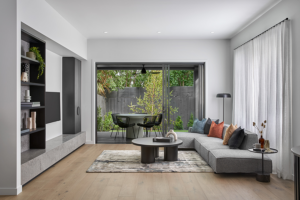
Boutique Homes’ double storey designs prioritise spacious family living, with four-bedroom layouts, multiple living zones and secure garage access designed to support both everyday comfort and future resale appeal. In many of these suburbs, strong land values also create significant uplift potential across the completed development.
Building for dual income
For Victorian investors, dual occupancy presents an opportunity to generate two income streams from a single landholding while creating stronger long-term value from the site itself.
This approach is increasingly popular across Melbourne’s middle-ring suburbs and regional growth corridors including Geelong, Ballarat and Bendigo, where demand for quality family-sized rental homes remains strong.
Boutique Homes’ duplex designs focus on liveability and lasting investment appeal, incorporating thoughtful separation between homes, private entries, well-zoned outdoor spaces and low-maintenance finishes designed to support tenant comfort over time.
Layouts are also shaped around common planning and site considerations, helping support smoother approvals and more efficient project delivery — particularly important for investors managing holding costs, finance or equity-backed builds.
Families and friends co-building
For extended families or households looking to remain connected while maintaining privacy, dual occupancy can create a more flexible way of living without compromising independence.
Side-by-side duplex designs such as Spencer or Swanston provide each residence with its own entry, garage and outdoor space, while still allowing land and construction costs to be shared more efficiently. Layouts can also adapt to different priorities, from larger bedroom accommodation for growing families to quieter retreat spaces for downsizers or guests.
This style of living continues to appeal to households seeking greater connection across generations, while still creating a strong sense of separation and individuality between each home.
Downsizers and land-maximisers
Many long-term homeowners in established suburbs reach a stage where a large family home no longer suits the way they want to live, yet leaving the neighbourhood they know and love doesn’t feel like the right move either.
Dual occupancy can create an opportunity to remain connected to the same community, amenities and lifestyle, while replacing an older home with two contemporary residences better suited to the next chapter. In many cases, one home becomes the new primary residence, while the second is sold or leased to unlock additional equity, income or long-term flexibility.
Features that often resonate with downsizers include lower-maintenance living, thoughtful storage, energy-efficient inclusions and well-considered layouts designed for everyday comfort. On larger or corner blocks in established Melbourne suburbs, dual occupancy can also unlock significantly greater value from the land while creating a home tailored to evolving lifestyle priorities.
What makes a Boutique Homes dual occupancy design different
Dual occupancy design is about far more than fitting two homes onto a block. It requires a careful balance between planning considerations, liveability, privacy and long-term value.
Rather than adapting generic interstate floorplans, Boutique Homes’ dual occupancy range has been developed around the realities of building across Melbourne and Victoria — from common block dimensions and neighbourhood character considerations through to the planning and setback requirements that influence how homes are ultimately approved and lived in.
The result is a collection of planning-conscious designs created to feel considered, spacious and highly functional for modern family living, investment flexibility and multi-generational lifestyles alike.
Planning-conscious from day one
Every Boutique Homes dual occupancy design is shaped with planning permit considerations in mind from the outset. From setbacks and neighbourhood expectations through to site layout and private open space, the designs are developed around common Victorian council requirements rather than retrofitted later in the building journey.
Taking this approach early can help support a smoother council approval process while reducing the likelihood of major redesigns that may impact budget, timelines and holding costs.
Architecturally inspired, designed for liveability
Boutique Homes’ dual occupancy homes combine contemporary architectural character with practical everyday living. Open-plan living areas, natural light, integrated living spaces and sliding doors connecting indoor and outdoor areas all contribute to homes that feel spacious, functional and easy to live in.
Rather than standardised duplex designs, these are dual living homes created to appeal to quality-focused buyers, families and tenants alike — balancing aesthetics with long-term liveability.
Facade choice and interior designer guidance
Customers can explore a curated range of facade styles, finishes and colour selections, guided by qualified interior designers throughout the process.
This creates two homes that feel cohesive yet distinct, rather than identical dwellings repeated across the same property. Thoughtful design selections also help strengthen resale appeal, rental value and overall lifestyle satisfaction over time.
Designed around how Melbourne families live
Boutique Homes’ dual occupancy home designs are created to deliver the scale, comfort and flexibility expected from a contemporary family home — while working efficiently within suburban block conditions.
Rather than compromising on liveability, the floorplans prioritise generous living areas, well-zoned bedrooms, integrated garage access and strong indoor-outdoor connection to help each dwelling feel considered and complete in its own right.
Coordinated support throughout the building journey
Managing a dual occupancy build can involve multiple stages of planning, approvals and documentation.
Boutique Homes helps coordinate the entire process — including planning permits, council requirements and supporting documentation — helping create a more streamlined experience from early feasibility conversations through to construction and handover.
Backed by long-term confidence
Every Boutique Homes dual occupancy home is supported by a 25-year structural guarantee and 12-month service warranty, helping provide confidence well beyond completion.
Combined with premium inclusions as standard, each new home is designed to deliver lasting quality, lifestyle appeal and long-term value for families, investors and future-focused homeowners alike.

Complimentary site assessment

Design selection and pricing

Planning and approvals coordination

Demolition coordination (if applicable)

Construction and milestones

Handover and aftercare
Request a complimentary site assessment to start your dual occupancy building journey.
For a deeper process breakdown and answers to common questions, visit the Dual Occupancy hub page or explore the Dual Occupancy FAQs.