Dual Occupancy Home Designs Melbourne and Victoria
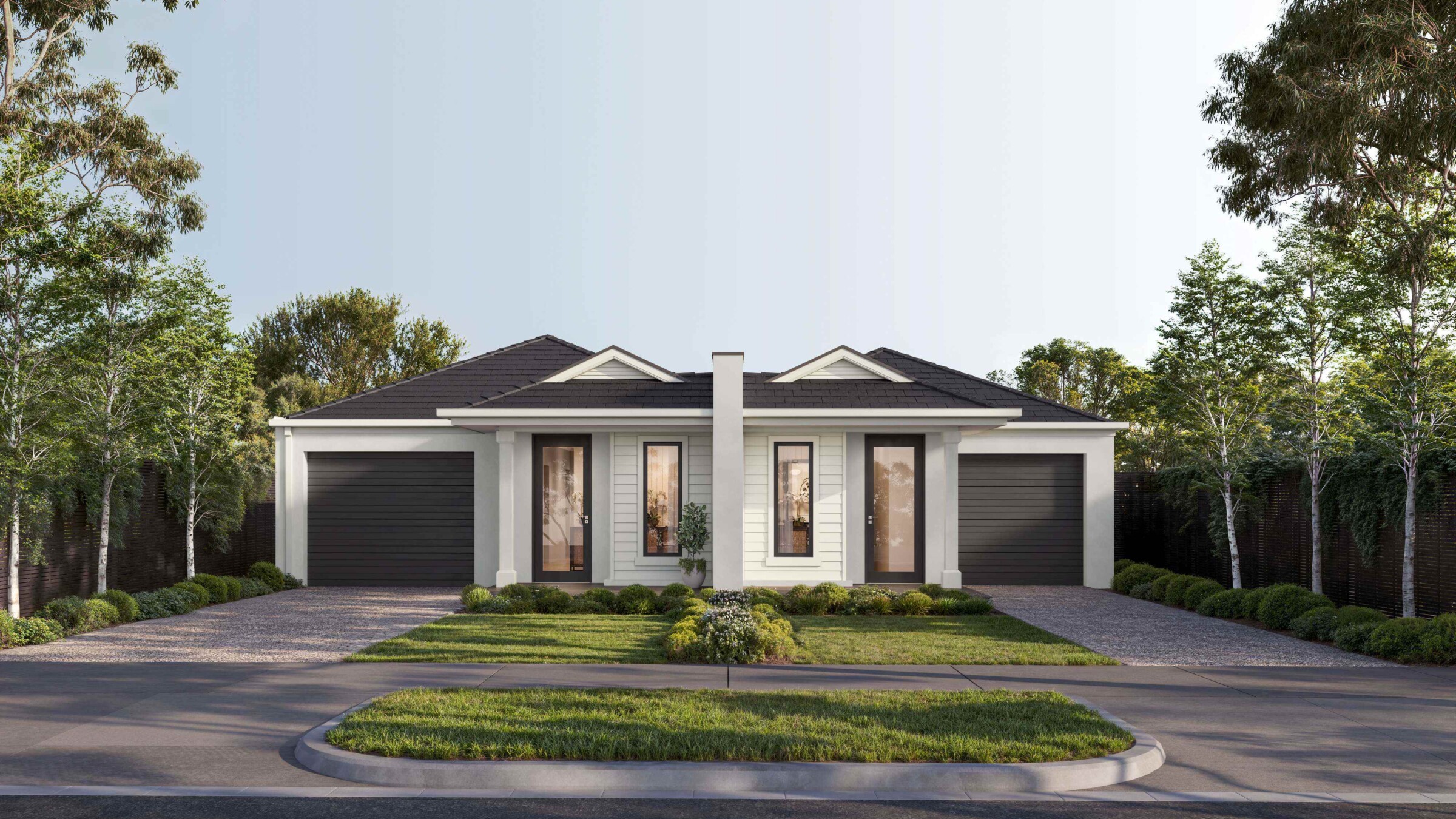
Boutique Homes offers a curated range of dual occupancy, duplex and dual living home designs created specifically for Melbourne and regional Victoria. Every design in the current range is an architecturally inspired double storey home, including side-by-side duplexes and a front-to-back detached dual occupancy option. Each floorplan has been developed with local council requirements in mind, calibrated for typical suburban block sizes of around 600–700 square metres and the narrow frontages common across Melbourne’s established suburbs.
Collins dual occupancy design
Franklin dual occupancy design
Spencer dual occupancy design
These dual occupancy home designs serve a range of buyers: investors seeking two rental incomes from a single land title, owner-occupiers who want to live in one dwelling while renting or selling the other, families or friends co-building on shared land, downsizers maximising their existing property, and retirement funders looking to unlock equity and generate extra income.
The right design type depends on your block – frontage, depth, orientation, and council requirements all affect which design will work. This page lets you browse specific designs and floorplans, understand which blocks they suit, and then request a complimentary site assessment to confirm feasibility for your site.
Dual occupancy and duplex designs guideline
“Dual occupancy” is a broad planning term that covers several distinct design types. A duplex is a specific type of dual occupancy where two homes are attached and mirror each other, sharing a common wall, while dual occupancy can also include detached dwellings or homes in different layouts. Choosing the right configuration depends on your block dimensions, orientation, slope and local planning rules.
The four design types below represent Boutique Homes’ current dual occupancy range. Each suits different blocks and buyer priorities—understanding these differences is the first step toward finding the right design for your site.
Side-by-side duplex designs
A side-by-side duplex consists of two dwellings positioned alongside one another on a single block, typically connected by a central party wall. Where lot width allows, each home benefits from its own street frontage and driveway, creating a balanced and considered streetscape.
With independent entrances, each residence maintains a clear sense of privacy and ownership, making it an ideal solution for multi-generational living or investment.
Side-by-side duplex designs are ideal for wider blocks, allowing each home to have its own street presence. This is the most popular dual occupancy configuration on Melbourne suburban blocks, particularly those with 12–16 metre frontages in established suburbs such as Glen Waverley, Bentleigh and Reservoir. Subdividing land into two separate titles may allow for selling one dwelling later, depending on local council rules—making this layout attractive for investors or owner-occupiers planning to sell one home and keep the other.
Boutique Homes’ Collins, Franklin, Swanston and Spencer designs are all double storey side-by-side duplexes, planning-aware for key municipalities across Melbourne and Geelong.
Double storey dual occupancy designs
“Double storey dual occupancy” refers to any dual occupancy where both dwellings are two levels, whether configured as a side-by-side duplex or a front-to-back detached layout. This approach maximises internal floor area without requiring a larger lot—essential for making the most of Melbourne’s typical suburban blocks.
Double storey duplex designs in Melbourne and Victoria offer significant benefits: more bedrooms and bathrooms, full-sized family living areas, generous storage and outdoor spaces even on compact sites, plus stronger rental and resale appeal for investors.
Design selection still depends on block width, depth, slope and orientation. These factors will be assessed during a complimentary site consultation to determine which double storey layout suits your land.
Front-to-back detached dual occupancy designs
A front-to-back dual occupancy places two separate dwellings on one block—one facing the street and one positioned to the rear—each with its own entry, private garden and parking solution. Detached homes are completely separate buildings, typically found on larger suburban lots or those with generous depth.
This configuration often suits deeper blocks in suburbs like Geelong West or inner-north Melbourne, where frontages may be modest but lot depth allows for two fully independent homes with adequate private open space.
Boutique Homes currently offers the Lonsdale as a front-to-back townhouse-style dual occupancy, with both homes double storey, open-plan living downstairs and bedrooms upstairs.
Privacy and detached living are the key benefits of this layout, making it popular for multi-generational families or downsizers who want a quieter rear home. Council access requirements and private open space rules strongly influence whether front-to-back layouts are viable for a given site—reinforcing the importance of early feasibility checks.
Single storey dual occupancy designs
“Single storey dual occupancy” refers to dual occupancy homes where both dwellings are designed across a single level, whether attached as a duplex or positioned separately on the block. While less common on Melbourne suburban sites, single storey layouts can suit specific buyer needs, planning conditions and block configurations.
Single storey dual occupancy homes are typically better suited to wider blocks, where enough frontage and private open space can be achieved without building upward. They are often considered for accessibility-focused living, downsizing, accommodating aging parents or sites located within stricter height-restricted council areas.
Our dual occupancy designs and floorplans
This is the core design gallery for Boutique Homes’ dual occupancy range across Melbourne and wider Victoria. Each design below summarises key specifications and block requirements, helping you identify which floorplan may suit your site before booking a detailed assessment.
Dual occupancy homes can either include shared living spaces with access to both dwellings from the interior or have separate entries and garages, depending on the design chosen. Every design in this range prioritises separate access and self-contained living for maximum flexibility—whether you’re building for investment, family or future resale.
Single storey dual occupancy designs — what to consider
Single storey duplex and single level dual occupancy designs are increasing in demand across Victoria, and for certain sites and buyer needs, they make sense. Boutique Homes offers both double and single storey options to suit various needs and block types.
When single storey dual occupancy suits
Single storey dual occupancy may be the right choice in specific circumstances:
- Accessibility-focused builds: Aging in place, mobility considerations or accommodating aging parents often require step-free living. Accessibility features like ground-floor suites with wider doorways are popular for these situations.
- Height-restricted sites: Some councils impose strict height controls, particularly in heritage overlay areas, where single storey keeps the build compliant without design compromises.
- Complex topography: Blocks with significant slope may require extensive earthworks for a double storey build, making single storey more cost-effective.
- Lower initial investment: Single storey dual occupancy homes can be more cost-effective to build, with simpler construction and reduced structural complexity compared to double storey designs.
When double storey is the better choice
For most Melbourne suburban blocks, double storey dual occupancy delivers stronger outcomes:
- Maximising floor area: Double storey designs deliver two full-sized family homes (four bedrooms, multiple living areas) without needing a larger site.
- Better investment returns: Larger dwellings with more bedrooms command higher rents and stronger resale prices—critical for investors building for yield.
- Standard block fit: The typical 600–700 square metre Melbourne block suits double storey layouts, providing adequate outdoor space while maximising internal living areas.
Single storey vs double storey comparison
| Factor | Single storey | Double storey |
|---|---|---|
| Land efficiency | Lower—requires wider footprint | Higher—stacks living areas vertically |
| Build cost | Typically lower per dwelling | Higher, but more floor area per dollar |
| Accessibility | Step-free living throughout | Upper level access required |
| Planning approval | May suit height-restricted zones | Standard for most Melbourne councils |
| Rental/resale appeal | Suited to specific demographics | Broader market appeal |
| Investment yield | Moderate | Stronger (more bedrooms, living space) |
Boutique Homes’ focus on double storey dual occupancy designs reflects Melbourne market demand and typical block constraints. For buyers specifically seeking single storey options, the site assessment conversation is the right starting point—your block’s dimensions, planning overlays and investment goals will determine whether single storey is viable.
Who our dual occupancy designs are built for
Dual occupancy and duplex designs aren’t one-size-fits-all. They’re tailored around distinct life stages, investment strategies and lifestyle priorities common across Melbourne and regional Victoria. Dual occupancy designs can provide flexible living arrangements, making them suitable for various lifestyles, including renting one home while living in the other.
The personas below represent the buyers Boutique Homes works with most frequently—each with different goals, but all looking to maximise the potential of their land.
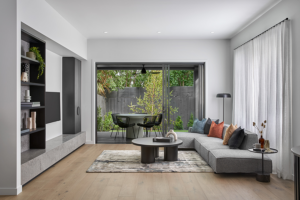
Owner-occupiers: live in one, rent or sell the other
This persona includes households who love their current suburb but want a newer home and more flexibility. Often, they’re replacing a single 1970s or 1980s dwelling in suburbs like Preston, Bentleigh or Highton with two contemporary homes on the same block.
Boutique Homes’ dual occupancy designs allow them to move into one brand new home while selling or leasing the second to help fund the build or reduce their mortgage. Building dual occupancy homes can help offset mortgage costs by allowing homeowners to live in one unit while renting out the other, providing a steady income stream. Dual income streams can result from living in one unit while renting out the other or leasing both—giving owners significant financial flexibility.
Double storey layouts with four bedrooms, multiple living areas and secure garage access are designed with both owner comfort and future buyer appeal in mind. Many of these clients are in suburbs where land values are strong and dual occupancy can significantly uplift overall property value.
Investors building for dual income
Victorian investors seeking two rental incomes from a single landholding often target growing areas around Melbourne’s middle-ring suburbs and regional hubs like Ballarat, Bendigo or Geelong. Dual occupancy homes can generate two rental incomes, significantly increasing the potential return on investment for property owners.
Boutique Homes’ duplex designs prioritise tenant privacy—separate entries, acoustic considerations via high-quality insulation and double-glazed windows, and well-separated outdoor spaces—as well as low-maintenance finishes to support long-term yield. Investors can maximise the value of their land by building dual occupancy homes, allowing them to sell multiple dwellings from a single block if they choose to exit the investment later.
Planning-aware design helps avoid approval delays that can impact holding costs—a key concern for investors using finance or equity to fund their dual occupancy projects. Typical strategies include renting both dwellings for immediate income, or rent-one/hold-one to support retirement income over time.
Families and friends co-building
This buyer group includes two related or close households—siblings, parents and adult children, or long-term friends—who purchase or already own a block and want two separate homes while staying close. Dual occupancy homes are ideal for multi-generational families, allowing loved ones to live close while maintaining privacy and independence.
Side-by-side duplex designs like Spencer or Swanston allow each household its own front door, garage and backyard, while keeping overall budget and land costs shared. Each dwelling can support different stages of life—one prioritising larger bedrooms for children, the other more living space and guest accommodation.
Dual master suites in homes ensure privacy for multi-generational living by placing large bedrooms with ensuites at opposite ends. Boutique Homes’ project management approach simplifies what can otherwise be a complex process between multiple parties and council—keeping everyone aligned from feasibility through to handover.
Downsizers and land-maximisers
Long-term homeowners in established suburbs often reach a point where they no longer need a large single dwelling, but don’t want to leave their community, schools and amenities. A dual occupancy allows them to replace their older home with two new, right-sized townhouses—keeping one as their new residence and selling or leasing the second to unlock equity or income.
Features that appeal to downsizers include low-maintenance materials, contemporary energy-efficient inclusions and well-planned storage throughout. Many downsizer projects in Melbourne involve corner or larger blocks, where dual occupancy can significantly increase overall site value and create a new home tailored to this stage of life.
What makes a Boutique Homes dual occupancy design different
Volume builders offer duplex homes across Victoria, but Boutique Homes’ dual occupancy designs are developed differently. Rather than adapting generic interstate plans to Melbourne conditions, every floorplan in the range was created around Victorian council requirements, typical block dimensions and the setback rules that determine what actually gets approved.
The result is a suite of planning-aware designs that perform well in the approval process and deliver homes suited to how Melbourne families and investors actually live.
Planning-aware from day one
Boutique Homes’ dual occupancy floorplans are developed with Melbourne council planning requirements in mind—not as generic layouts that are then adapted post-purchase. Local council regulations dictate the requirements for dual occupancy developments, including zoning laws and minimum block sizes, which can range from 450 to 600 square metres depending on the municipality. Building to these requirements from the outset reduces approval risk and avoids costly redesigns that delay projects and increase holding costs.
Architecturally inspired, not architecturally standard
Each design balances contemporary aesthetics with functional liveability—open-plan living areas, natural light, indoor-outdoor connection via sliding doors to outdoor spaces, and smart storage. These aren’t cookie-cutter duplexes; they’re homes designed to appeal to quality-focused buyers and tenants alike.
Facade choice and interior designer guidance
Boutique Homes customers select from a range of facade options and colour selections, guided by a qualified interior designer. The result is two homes that feel distinct and resolved—not identical boxes. This matters for resale, rental appeal and the simple satisfaction of living in a home that feels considered.
Sized for the Melbourne market
Boutique Homes duplex designs are calibrated for typical Melbourne suburban blocks—not oversized plans that struggle to meet approval. Each design is built around real block dimensions and real council setback requirements, increasing the likelihood of first-pass approval. Data suggests planning-aware designs achieve significantly higher approval rates than generic interstate adaptations.
Documentation and council management
Boutique Homes coordinates planning permits, building permits and required reports—rather than leaving clients to manage consultants, applications and council communications alone. Most dual occupancy designs require a Development Application to be submitted to the local council for approval before construction can begin. Having an experienced team manage this process reduces delays and ensures nothing falls through the cracks.
Backed by structural guarantee and service warranty
Design quality doesn’t end at handover. Every dual occupancy build is backed by a 25-year structural guarantee and 12-month service warranty—providing long-term confidence in the quality of construction and materials. Combined with premium inclusions as standard, Boutique Homes’ dual occupancy homes are built for durability and lasting appeal.

Complimentary site assessment

Design selection and pricing

Planning and approvals coordination

Demolition coordination (if applicable)

Construction and milestones

Handover and aftercare
Request a complimentary site assessment to start your dual occupancy building journey.
For a deeper process breakdown and answers to common questions, visit the Dual Occupancy hub page or explore the Dual Occupancy FAQs.